
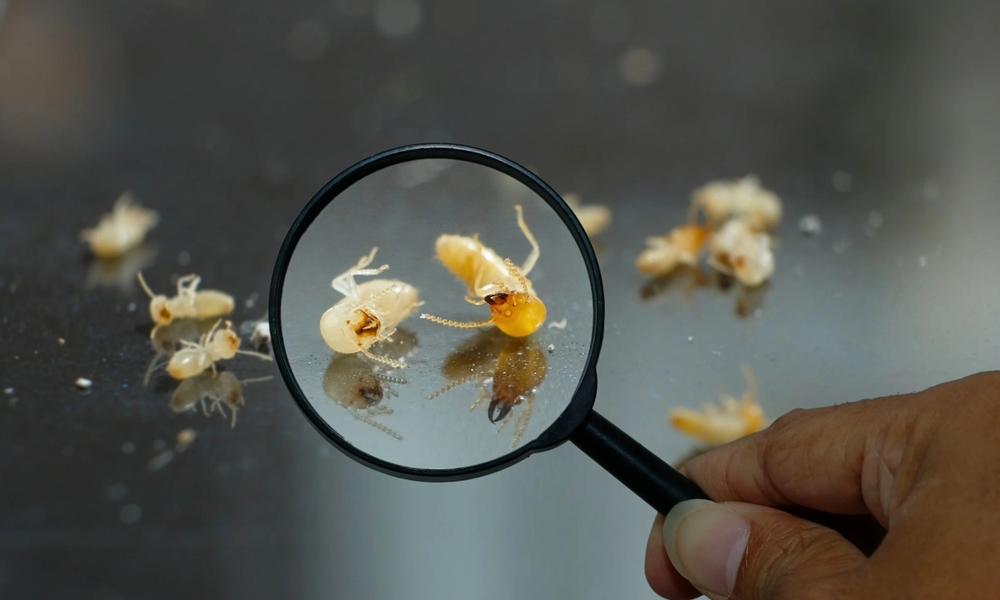
Have you ever noticed soft wood or strange bubbles on your wall paint and thought, “That’s odd”? Well, it could be more than just wear and tear. It might be a sign your home is under a termite attack.
Termites are every homeowner’s silent nightmare. They work quietly behind walls or beneath floors, eating away at the very structure of your house. By the time you spot the damage, they may have already caused thousands of dollars in repairs.
That’s why knowing what to look for early can make all the difference. So, let’s talk about the most common signs of termite activity, why they happen, and what you should do next.
1. Soft or Hollow-Sounding Wood
Ever tapped on a wooden wall or floor and heard a hollow sound? That’s one of the first clues termites might be inside.
These pests chew through wood from the inside out, leaving only a thin outer shell. On the surface, the wood might still look fine, but inside, it’s practically gone.
When you start noticing sagging floors, weak door frames, or crumbling skirting boards, it’s time to take a closer look. A quick inspection now can save you from expensive structural repairs later.
2. Mud Tubes on Walls or Foundations
If you see thin, brownish, mud-like tubes crawling up your wall or foundation, that’s a classic sign of subterranean termites at work.
But what are these tubes, exactly? Termites build them to travel safely between their underground nests and your home. These little tunnels keep them moist and protected from the open air.
If you spot mud tubes, resist the urge to break them apart; that could drive the colony deeper into hidden areas. Instead, call a termite expert right away to inspect the situation.
3. Termite Droppings (Frass)
Have you seen tiny piles of what looks like sawdust near your baseboards or windowsills? That’s not dust, it’s termite droppings, also known as frass.
Drywood termites leave behind these small, pellet-like droppings as they burrow through your home’s timber. If you find frass, it’s a clear sign that termites are living and feeding nearby.
Don’t ignore it. Acting quickly could prevent the colony from spreading further.
4. Swarming Termites or Discarded Wings
When termites are ready to start new colonies, they send out swarms of winged termites, usually in the spring or after rain.
If you suddenly see a cloud of flying insects indoors or around your windows, it could be swarmers searching for a new home, possibly yours. Even if you miss the swarm itself, keep an eye out for piles of discarded wings.
Once these swarmers shed their wings, it means they’ve settled in and started building a new colony. That’s when you need to act fast.
If you notice these signs, contact a trusted professional for Termite Control in Louisville right away. Early treatment can stop the infestation before it causes major damage to your home.
5. Tight-Fitting Doors and Windows
Have your doors or windows suddenly become difficult to open or close? You might assume it’s just humidity, and sometimes, it is. But termites can cause similar issues.
As they tunnel through wood, they introduce moisture that makes the surrounding wood swell or warp. This can make doors stick or windows jam. If this happens unexpectedly, it’s worth checking for other termite clues nearby.
6. Cracks in Walls or Ceilings
Cracks in walls might seem like a normal sign of an aging home, but sometimes they signal something more serious. When termites weaken structural wood, it can cause the walls or ceilings to shift slightly, creating small cracks.
If the cracks appear suddenly or without a clear cause, don’t brush them off. It could be a hidden termite problem that’s slowly getting worse.
7. Bubbling or Peeling Paint
Here’s one that surprises many homeowners: bubbling paint.
When termites tunnel through wood, they produce moisture. That moisture gets trapped beneath your paint or wallpaper, causing blisters, peeling, or uneven surfaces.
If repainting doesn’t solve it, there’s likely a moisture issue, and termites might be to blame. Don’t just cover it up. Have it checked before the problem spreads.
8. Clicking or Rustling Sounds in the Walls
It may sound odd, but termites actually make noise. If your home is quiet and you press your ear to the wall, you might hear faint clicking or rustling sounds.
Why? Because soldier termites tap their heads against the wood to signal danger, and worker termites constantly chew through timber. If you hear this unusual sound, it’s definitely time to get an inspection.
9. Sagging Floors or Ceilings
This one’s a serious warning sign.
When termites eat away at key support beams, it weakens the structure and causes floors to feel soft underfoot or ceilings to droop. By the time you see or feel this, the damage is often advanced, and repairs can be costly.
So if something feels “off” about your flooring or ceiling, don’t wait. Get a professional to assess it as soon as possible.
10. What to Do If You Suspect Termites
Noticing even one or two of these signs doesn’t automatically mean disaster, but ignoring them could be. Termites reproduce fast, and a colony can reach millions of insects in a short time.
Here’s what to do right away:
- Call a licensed termite inspector for a professional evaluation.
- Avoid disturbing mud tubes, wings, or droppings; it can make the termites scatter.
- Fix leaks and improve ventilation to reduce moisture, which termites love.
- Keep firewood and mulch away from your foundation to remove their food source.
The sooner you act, the easier (and cheaper) it’ll be to solve the problem.
Final Thoughts
Termites are sneaky, but with a little awareness, you can stop them before they take over.
Regular home inspections, controlling moisture, and watching for these early warning signs can save you thousands in future repairs.
If you even suspect termite activity, don’t wait for visible damage. Reach out to a local pest control professional to protect your home and peace of mind. After all, when it comes to termites, early action is your best defense.