
Termites are often called “silent destroyers” for a reason. They can quietly eat away at the structural integrity of a home for months or even years before homeowners notice a problem. By the time visible signs appear, the damage may already be significant. That’s why understanding how to spot termite damage early is essential for protecting your property and avoiding costly repairs.
If you live in Kentucky, especially in areas with warm, humid seasons like Louisville, termite activity is a serious concern. Knowing what to look for and when to call professional termite control in Louisville can make all the difference.
Why Early Detection Matters
Termites feed on cellulose, which is found in wood, drywall, paper, and other building materials. In severe cases, they can compromise support beams, floor joists, and wall studs. Early detection not only minimizes structural damage but also reduces the cost and complexity of treatment.
Many homeowners only search for pest control services near you in Louisville after they see visible destruction. Unfortunately, waiting until the damage is obvious can mean repairs are already extensive. Proactive monitoring and knowing the warning signs are key.
Common Early Signs of Termite Damage
1. Mud Tubes Along Foundations or Walls
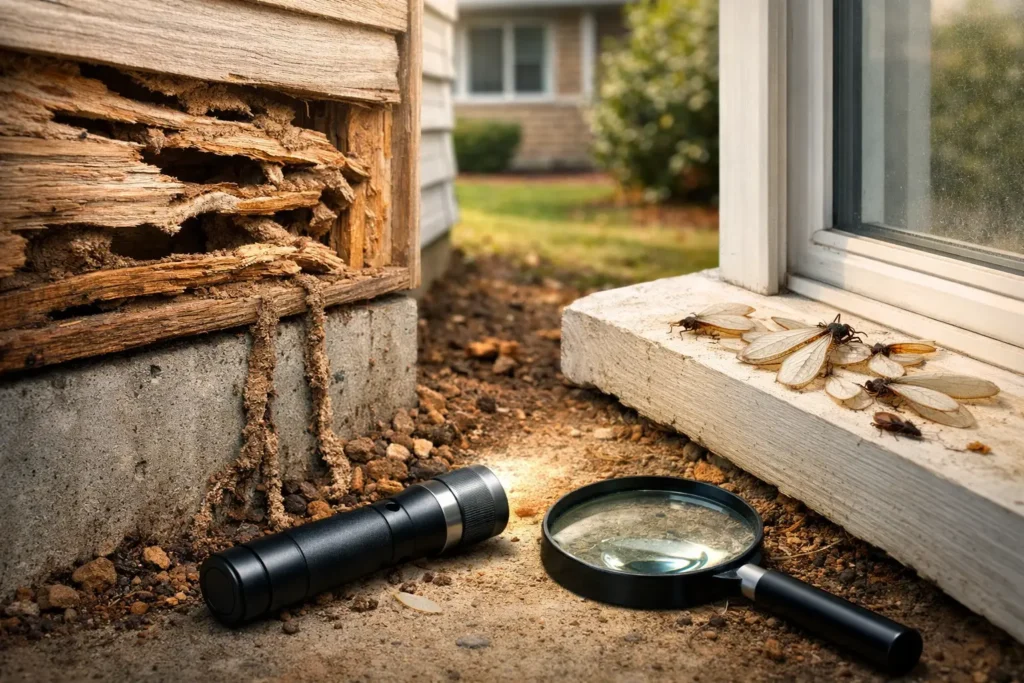
Subterranean termites, the most common type in Louisville, build mud tubes to travel between their colony and food sources. These pencil-sized tunnels are usually found along foundations, crawl spaces, basement walls, or exterior siding.
If you notice thin, dirt-like lines running vertically along concrete or brick surfaces, do not ignore them. Even if the tubes appear inactive, they indicate past or present termite activity.
2. Hollow-Sounding Wood
One of the simplest ways to detect potential termite damage is by tapping on wooden surfaces. Termites eat wood from the inside out, leaving a thin outer layer intact. If wood sounds hollow or papery when tapped, it could mean termites are feeding inside.
Pay attention to:
- Baseboards
- Window frames
- Door frames
- Wooden beams
- Hardwood flooring
If you suspect internal damage, professional termite control in Louisville can conduct a detailed inspection using specialized tools.
3. Bubbling or Peeling Paint
Termite damage can sometimes resemble water damage. Bubbling paint, peeling wallpaper, or discolored drywall may signal moisture buildup caused by termite tunnels inside walls.
Because termites create small holes in drywall and introduce moisture, surfaces may appear warped or blistered. Many homeowners mistake this for plumbing leaks, delaying proper treatment.
If you see unusual wall changes, contacting pest control services near you in Louisville for an inspection is a wise step.
4. Tight-Fitting Doors and Windows
As termites feed on wooden frames, they can cause slight warping. This may result in doors and windows becoming difficult to open or close.
While humidity can also cause wood to swell, sudden or unexplained changes in how doors function could indicate hidden termite activity.
5. Discarded Wings Near Windowsills
During warmer months, termites swarm to establish new colonies. After swarming, they shed their wings. Finding small piles of translucent wings near windows, doors, or light fixtures is a strong indicator of termite presence.
Swarming often occurs in spring, but in Louisville’s climate, it can happen at various times depending on temperature and moisture levels.
6. Frass or Termite Droppings
Drywood termites leave behind small, pellet-like droppings known as frass. These resemble tiny wood-colored grains and may accumulate near baseboards or windows.
Although subterranean termites are more common in Kentucky, any unexplained debris near wooden structures should be inspected by professionals offering termite control in Louisville.
Areas of the Home Most at Risk
Certain parts of your home are more vulnerable to termite infestation:
- Basements and crawl spaces
- Wooden decks and porches
- Fence posts
- Attics with exposed wood
- Areas with plumbing leaks
Homes with moisture problems are particularly attractive to termites. Poor drainage, clogged gutters, and leaky pipes create ideal conditions for infestation.
Regular inspections, especially in high-risk areas, can significantly reduce the chance of severe structural damage.
Preventative Measures Homeowners Can Take
While professional inspections are essential, homeowners can take several proactive steps:
- Reduce Moisture Around the Foundation
Ensure gutters and downspouts direct water away from the home. - Store Firewood Away from the House
Keep wood piles at least 20 feet from the structure. - Seal Cracks and Gaps
Small foundation cracks can serve as entry points. - Avoid Wood-to-Soil Contact
Deck posts and siding should not directly touch soil.
Even with these precautions, termites can still invade. That’s why annual inspections from trusted pest control services near you in Louisville are highly recommended.
When to Call a Professional
If you suspect termite activity, do not attempt DIY treatments. Over-the-counter sprays rarely eliminate entire colonies, and improper application can worsen the problem.
Professional termite control in Louisville involves:
- Comprehensive property inspection
- Identification of termite species
- Customized treatment plans
- Long-term monitoring and prevention
Modern treatment options may include baiting systems, liquid termiticides, and targeted barrier treatments designed to eliminate colonies at the source.
The Cost of Ignoring Early Signs
Termite damage is often not covered by standard homeowners insurance policies. Delaying action can lead to costly repairs involving structural beams, subflooring, and framing.
The expense of professional treatment is significantly lower when the problem is caught early. Investing in routine inspections from pest control services near you in Louisville is a small price compared to extensive structural repairs.
Protecting Your Louisville Home
Louisville’s seasonal climate provides favorable conditions for termite activity, making vigilance essential. By understanding early warning signs such as mud tubes, hollow wood, peeling paint, and discarded wings, homeowners can act quickly before damage escalates.
If you notice any suspicious signs, contacting a trusted provider of termite control in Louisville is the safest course of action. Professional expertise ensures accurate identification, effective treatment, and long-term protection.
Termites may work quietly, but with awareness and proactive care, you can stop them before they cause serious harm. Regular inspections and timely intervention are the best defenses against these destructive pests.
FAQs
- What are the first signs of termite damage in a home?
Early signs include mud tubes along the foundation, hollow-sounding wood, peeling paint, discarded wings near windows, and tight-fitting doors or windows.
- How do I know if I have termites or just water damage?
Termite damage often appears as hollow wood or mud tubes, while water damage typically causes soft, darkened, or rotting wood. A professional inspection can confirm the cause.
- How often should I schedule termite inspections?
It’s best to schedule a professional termite inspection at least once a year, especially if you live in high-risk areas like Louisville.
- Can I treat termite damage myself?
DIY treatments rarely eliminate the entire colony. Professional termite control in Louisville is recommended to ensure complete removal and long-term protection.
- What areas of my home are most vulnerable to termites?
Basements, crawl spaces, wooden decks, fence posts, and areas with moisture problems are most at risk.
- How long does it take for termites to cause serious damage?
Termites can begin causing noticeable damage within months, but severe structural issues may develop over several years if left untreated.
- When should I call pest control services near me in Louisville?
Call immediately if you notice mud tubes, swarming termites, hollow wood, or discarded wings. Early intervention prevents costly structural repairs.