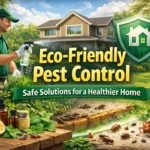
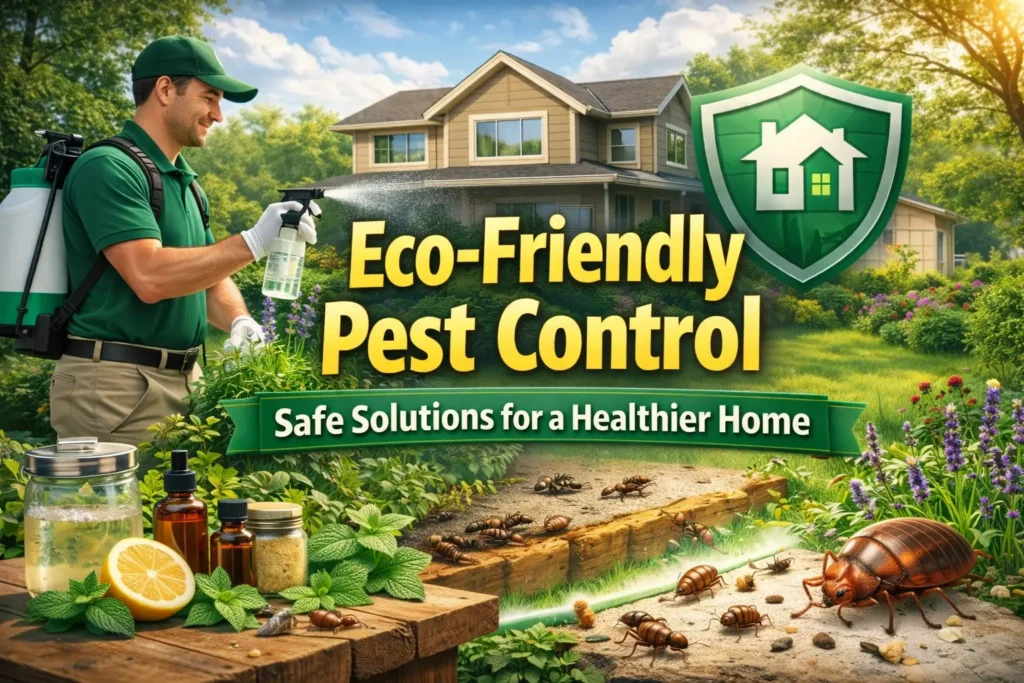
Keeping pests out of your home is important, but many traditional pest control methods rely heavily on chemical sprays that may affect indoor air quality, pets, and the surrounding environment. As more homeowners become conscious of sustainability and health, eco-friendly pest control has become a practical alternative.
Eco-friendly pest control focuses on preventing infestations and using low-toxicity or natural solutions that target pests without harming people, pets, or beneficial insects. Instead of relying only on chemicals, it combines prevention, natural repellents, and smarter pest management strategies.
Understanding these safer approaches can help homeowners maintain a pest-free home while protecting the environment.
Why Eco-Friendly Pest Control Is Becoming Popular
Traditional chemical pesticides can sometimes create unintended environmental consequences. Overuse of harsh pesticides can contaminate soil and water and harm beneficial insects that help maintain ecological balance.
Eco-friendly pest control aims to reduce those risks by using natural repellents, physical barriers, and biological control techniques that manage pests without unnecessary chemical exposure.
For homeowners, this approach provides two major advantages: a safer indoor environment and long-term pest prevention.
Common Eco-Friendly Pest Control Methods
Eco-friendly pest management uses several techniques that work together to control pests naturally.
1. Natural Repellents and Essential Oils
Plant-based repellents are one of the simplest eco-friendly pest control solutions. Essential oils such as peppermint, eucalyptus, citronella, and tea tree oil are known to repel insects including ants, spiders, and mosquitoes.
Homeowners often dilute these oils with water and spray them around entry points like windows, doors, and kitchen areas. Besides deterring pests, these solutions also leave a pleasant scent inside the home.
2. Diatomaceous Earth
Diatomaceous earth is a natural powder made from fossilized microorganisms. It works by damaging the outer layer of insects, causing them to dehydrate.
This substance is commonly used to control ants, fleas, and cockroaches and is generally considered safe for humans and pets when used correctly.
Because it contains no toxic chemicals, it is widely used in organic pest control practices.
3. Sealing Entry Points
One of the most effective eco-friendly strategies is prevention. Pests often enter homes through small cracks, gaps around doors, and openings near pipes.
By sealing these entry points and installing door sweeps or window screens, homeowners can significantly reduce the chances of pests entering the house.
Prevention reduces the need for chemical treatments and helps maintain a pest-free home naturally.
4. Natural Pest-Repelling Plants
Certain plants naturally repel insects due to their strong scents or natural oils. Herbs such as basil, lavender, rosemary, and mint are often used in gardens or near doorways to discourage pests.
Planting these herbs near entrances, patios, or windows can create a natural barrier that helps keep insects away from living spaces.
These plants also attract beneficial insects that help control pest populations naturally.
5. Biological Pest Control
Biological pest control involves using natural predators to manage pest populations. For example, ladybugs feed on aphids, and certain beneficial insects help control pests in gardens and outdoor spaces.
This method supports natural ecosystems and reduces reliance on chemical pesticides.
Although more commonly used in gardens and agriculture, similar principles can help manage pests around residential properties.
6. Integrated Pest Management (IPM)
Many eco-friendly pest control strategies follow the Integrated Pest Management (IPM) approach. IPM combines prevention, monitoring, and targeted treatments to control pests effectively while minimizing environmental impact.
Instead of spraying chemicals regularly, pest control professionals evaluate the situation and choose the safest and most efficient solution.
This balanced approach helps maintain long-term pest control without excessive chemical exposure.
Types of Pest Control Services
Pest problems can vary depending on the environment, property type, and level of infestation. Because of this, pest control companies usually offer different types of services designed to address specific pests and situations. Understanding these services helps homeowners choose the most effective solution for their needs.
1. Residential Pest Control
Residential pest control focuses on protecting homes from common household pests such as ants, cockroaches, spiders, and rodents. These services typically involve inspection, treatment, and preventive measures to keep pests from returning.
Eco-friendly residential pest control often uses low-toxicity treatments combined with preventive strategies such as sealing entry points and improving sanitation.
2. Commercial Pest Control
Businesses such as restaurants, offices, warehouses, and retail stores require specialized pest control solutions. Commercial pest control services are designed to handle larger spaces and comply with health and safety regulations.
Eco-friendly commercial pest management focuses on maintaining hygiene standards while minimizing the use of harmful chemicals in workplaces.
3. Termite Control Services
Termites are among the most damaging pests that can affect a property. Termite control services include inspections, preventive treatments, and colony elimination methods.
Eco-friendly termite treatments may include baiting systems, wood protection treatments, and soil barriers designed to eliminate termites while reducing environmental impact.
4. Rodent Control Services
Rodents such as mice and rats can cause serious property damage and spread bacteria. Rodent control services typically involve trapping, exclusion techniques, and habitat modification.
Eco-friendly rodent control focuses on sealing entry points, removing food sources, and using humane trapping methods to manage rodent populations.
5. Mosquito and Outdoor Pest Control
Outdoor pest control services help manage insects such as mosquitoes, ticks, and flies that can make outdoor spaces uncomfortable.
Eco-friendly solutions often include natural repellents, biological treatments, and habitat management techniques that reduce breeding areas.
Simple Habits That Help Prevent Pest Problems
Eco-friendly pest control works best when combined with good household habits. Small lifestyle changes can make a significant difference in preventing infestations.
Some effective prevention practices include:
- Keeping kitchen surfaces clean and free of crumbs
- Storing food in airtight containers
- Taking out garbage regularly
- Fixing plumbing leaks and reducing moisture
- Decluttering storage areas where pests may hide
Pests are usually attracted to food, water, and shelter. By eliminating these factors, homeowners can reduce the chances of infestations.
When Professional Eco-Friendly Pest Control Is Needed
While natural pest prevention methods can help reduce minor pest activity, larger infestations often require professional attention. When pests spread quickly or keep returning, it may be time to consult experienced professionals. Our team provides eco-friendly pest control in Louisville, KY, focusing on safe treatments that protect families, pets, and the environment.
Professionals can identify hidden pest activity that homeowners might overlook, such as termites inside wooden structures or rodents nesting in attics and crawl spaces. For Louisville homeowners, hiring trained pest control specialists ensures that infestations are handled effectively while reducing the chances of pests returning. These services are particularly useful for persistent problems involving termites, rodents, ants, and other difficult-to-control pests.
The Future of Pest Control Is Sustainable
As environmental awareness continues to grow, more homeowners are choosing pest control solutions that prioritize safety and sustainability. Traditional chemical-heavy treatments are gradually being replaced by smarter approaches that focus on prevention, monitoring, and eco-friendly methods.
In cities like Louisville, many residents now prefer eco-friendly pest control solutions in Louisville KY to keep their homes protected without harming the environment. Sustainable pest management combines natural repellents, routine home maintenance, and responsible pest control practices. For Louisville homeowners, this balanced approach helps maintain a pest-free home while supporting a healthier environment and long-term protection for their property and surrounding community.
Frequently Asked Questions
1. What is eco-friendly pest control?
Eco-friendly pest control uses natural methods, low-toxicity products, and preventive strategies to control pests without harming people, pets, or the environment.
2. Are natural pest control methods effective?
Yes. When combined with preventive measures like sealing entry points and maintaining cleanliness, natural pest control methods can effectively reduce pest problems.
3. Is eco-friendly pest control safe for pets and children?
Most eco-friendly pest control solutions use non-toxic ingredients and are designed to be safer for families and pets when used correctly.
4. What are some common natural pest repellents?
Common natural repellents include peppermint oil, eucalyptus oil, citronella, vinegar solutions, and diatomaceous earth.
5. Can plants really repel pests?
Yes. Plants such as lavender, basil, rosemary, and mint release natural compounds that help repel insects and reduce pest activity around homes.
6. When should I hire professional pest control services?
If pest infestations become severe or continue despite preventive efforts, professional pest control services can provide targeted treatments and long-term solutions.